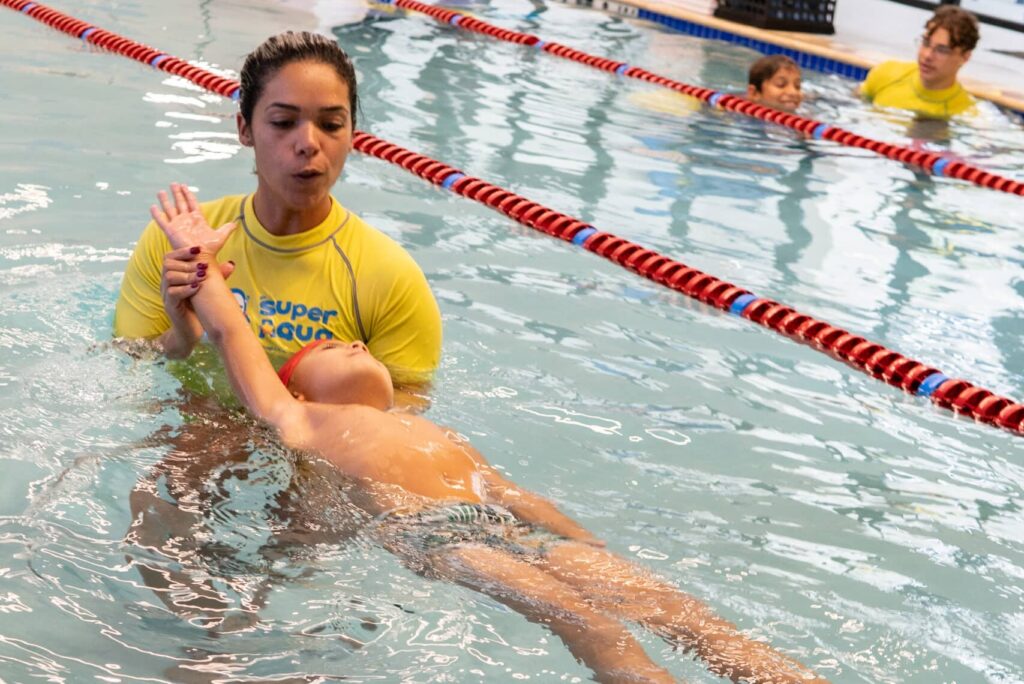
A categoria Baby fish é constituída pelos níveis Baby fish I, II e II. O propósito dessa etapa é desenvolver em crianças, no início da infância, alto nível de conforto na água e, ao mesmo tempo, treinar os adultos em segurança aquática e prevenção de afogamentos. Isso proporciona o desenvolvimento da confiança, diversão e uma amável experiência como fundamentos para uma vida de aprendizados na água.
Baby Fish I:
6 alunos (4 a 24 meses)
Baby Fish II e III:
2 alunos (25 a 36 meses)
Sub-nível 1: Neste nível, trabalhamos o conforto na água para a criança e treinamos os pais em segurança aquática e prevenção de afogamentos. Dessa forma, desenvolvemos um ambiente de confiança e diversão que será a base para os próximos aprendizados na água.
Pré-requisitos: Nenhuma aula anterior de natação ou experiência aquática necessária. É necessária a participação dos pais. Proporção de 6 alunos para 1 instrutor.
Sub-nível 2: Neste nível trabalhamos com confiança e mergulhos. Antes de trabalhar com movimentos de deslocamento na água e flutuações, é muito importante que os alunos aprendam a mergulhar confortavelmente. O aluno que tem medo de mergulhar terá dificuldade em aprender os nados mais avançados. Enquanto se é possível nadar e controlar o movimento na água sem submergir o rosto completamente, o aluno terá uma experiência aquática mais saudável e segura se não tiver medo da submersão.
Pré-requisitos: Nenhuma aula anterior de natação ou experiência aquática necessária. Confortável na água sem os pais. Proporção de 2 alunos para 1 instrutor.
Sub-nível 3: Neste nível trabalhamos com posição do corpo, respiração e deslocamento na água. Retornar para a superfície após pular na água é o primeiro passo para o aprendizado da respiração e ajuda o aluno a ganhar confiança na flutuação do corpo na água. O domínio dessa habilidade torna mais fácil o aprendizado de outras habilidades.
Pré-requisitos: Precisa ter feito o nível anterior ou ser avaliado. Confortável sem os pais na água. Proporção de 2 alunos para 1 instrutor.
A categoria Swim School é formada pelos níveis Super Turtle, Super Starfish, Super Octopus e Super Dolphin. Nele a criança desenvolverá habilidades funcionais de sobrevivência na água. O objetivo dessa categoria não é ensinar a técnica dos nados, mas desenvolver habilidades que serão utilizadas para o autosalvamento, e desenvolver o senso de como o corpo se move na água. O objetivo desse estágio é também construir a fundação para o aprendizado dos nados.
Júnior: 4 alunos (3 a 5 anos)
Sênior: 4 alunos (+ 5 anos)
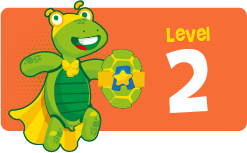
Level 2: Neste nível, trabalhamos com confiança e submersão. Antes de trabalhar no movimento de deslocamento ou na flutuação, é importante ensinar o conforto ao submergir na água. Um aluno que tem medo de submersão terá dificuldade com habilidades mais avançadas. Embora seja possível “nadar” e controlar o movimento na água sem submergir totalmente o rosto, o aluno terá uma experiência aquática mais saudável, segura e ativa sem medo de submergir.
Pré-requisitos: Não é necessária experiência anterior de natação. Proporção de 3 alunos para 1 instrutor.
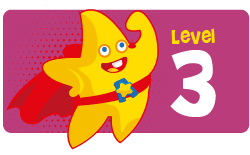
Level 3: Neste nível, trabalhamos a posição do corpo e a recuperação do ar. A referência para este nível é uma habilidade de salvamento que ensina um aluno que cai na água, a retornar à superfície, rolar e recuperar o ar por pelo menos cinco segundos. Naqueles cinco segundos, o aluno poderia chorar ou gritar por ajuda, chamar a atenção de alguém e permanecer na superfície por tempo suficiente para ser potencialmente resgatado.
Pré-requisitos: Requer experiência prévia de natação. Proporção de 4 alunos para 1 instrutor.
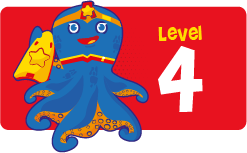
Level 4: Neste nível, trabalhamos o movimento para a frente e a mudança de direção. A referência para este nível é uma habilidade potencial de auto-resgate. Gradualmente, os alunos começam a nadar 3 metros/10 pés e depois voltam para a parede. A flutuação dorsal é usada quando o aluno precisa respirar.
Pré-requisitos: Requer experiência prévia de natação. Proporção de 4 alunos para 1 instrutor.
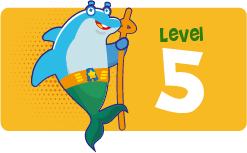
Level 5: O aluno aprenderá a usar o deslizamento lateral como posição de recuperação de ar e as técnicas básicas do nados Crawl e Costas.
Pré-requisitos: Requer experiência prévia de natação. Proporção de 4 alunos para 1 instrutor.
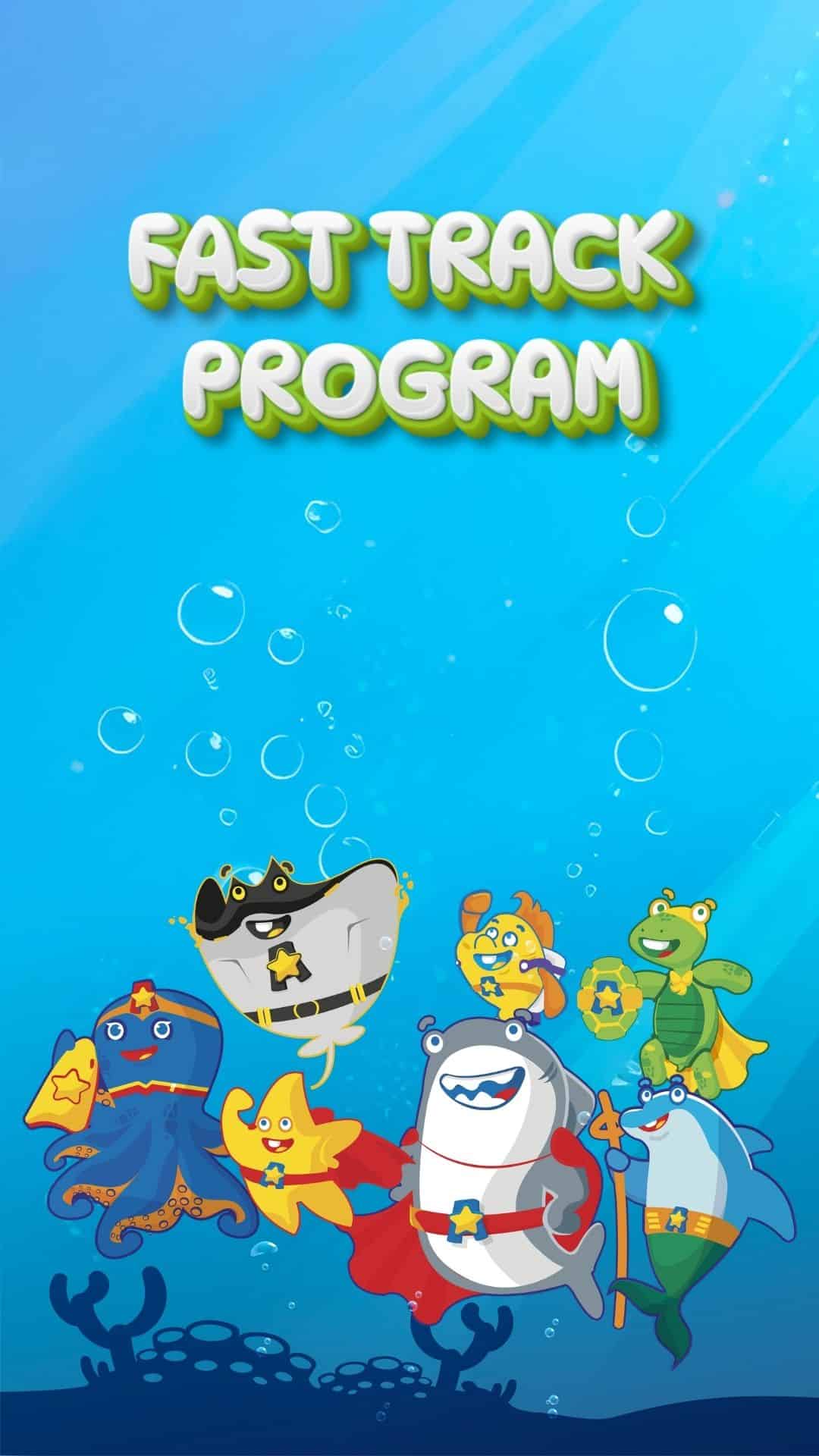
A categoria Stroke School, é constituída pelos níveis Super Stingray e Super Shark. Essa categoria é para alunos de todas as idades que tenham atingido os objetivos do nível Super Dolphin Swim School. Os alunos desenvolvem resistência física, aperfeiçoam a técnica do nado crawl e aprendem a técnica dos nados costas, borboleta e peito.
Turma por habilidades: 4 alunos
Level 6: Neste nível trabalhamos com técnicas de nado crawl e costas.
Pré-requisitos: Requer experiência prévia de natação, ou ter completado o nível Super Dolphin Swim School. Proporção de 4 alunos para 1 instrutor.
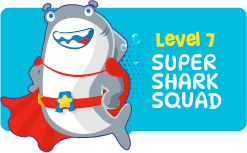
Level 7: Neste nível trabalhamos com as técnicas de borboleta e nado peito, além de resistência para nado crawl e costas.
Pré-requisitos: Requer experiência prévia de natação, ou ter completado o nível Super Stingray Swim School. Proporção de 4 alunos para 1 instrutor.
115 Weston Rd, Weston, Fl, 33326
Refine the four swim stroke styles Butterfly, Breaststroke, Backstroke, Freestyle, flip turns, endurance and speed.
Super Shark: (4 years old and up)
4 students to 1 instructor
Prerequisites: Requires previous swimming experience, or having completed the Super Shark Swim School level. Ratio of 4 students to 1 instructor.
1 DAY PER WEEK
$
/ month
2 DAY PER WEEK
$
/ month
3 DAY PER WEEK
$
/ month
At this level we work with confidence and submersions. Before working with forward movement and float, it is very important that students learn to submerge comfortably.
Baby Fish II: (2 years to 4 years old)
2 students to 1 instructor
The student who is afraid of submerging will find it difficult to learn the more advanced swim skills. While it is possible to swim and control movement in the water without completely submerging the face, the student will have a healthier and safer aquatic experience if they are not afraid of submersion.
Prerequisites: No previous swimming lessons or aquatic experience required. Comfortable in the water without parents. Ratio of 2 students to 1 instructor.
1 DAY PER WEEK
$
/ month
2 DAY PER WEEK
$
/ month
3 DAY PER WEEK
$
/ month
Teach them the four swim stroke styles Butterfly, Breaststroke, Backstroke, Freestyle.
Super Shark: (4 years old and up)
4 students to 1 instructor
At this level we work with butterfly and breaststroke techniques, as well as endurance for Freestyle and backstroke.
Prerequisites: Requires previous swimming experience, or having completed the Super Stingray Swim School level. Ratio of 4 students to 1 instructor.
1 DAY PER WEEK
$
/ month
2 DAY PER WEEK
$
/ month
3 DAY PER WEEK
$
/ month
Students focus on developing proper stroke technique and coordination in the water.
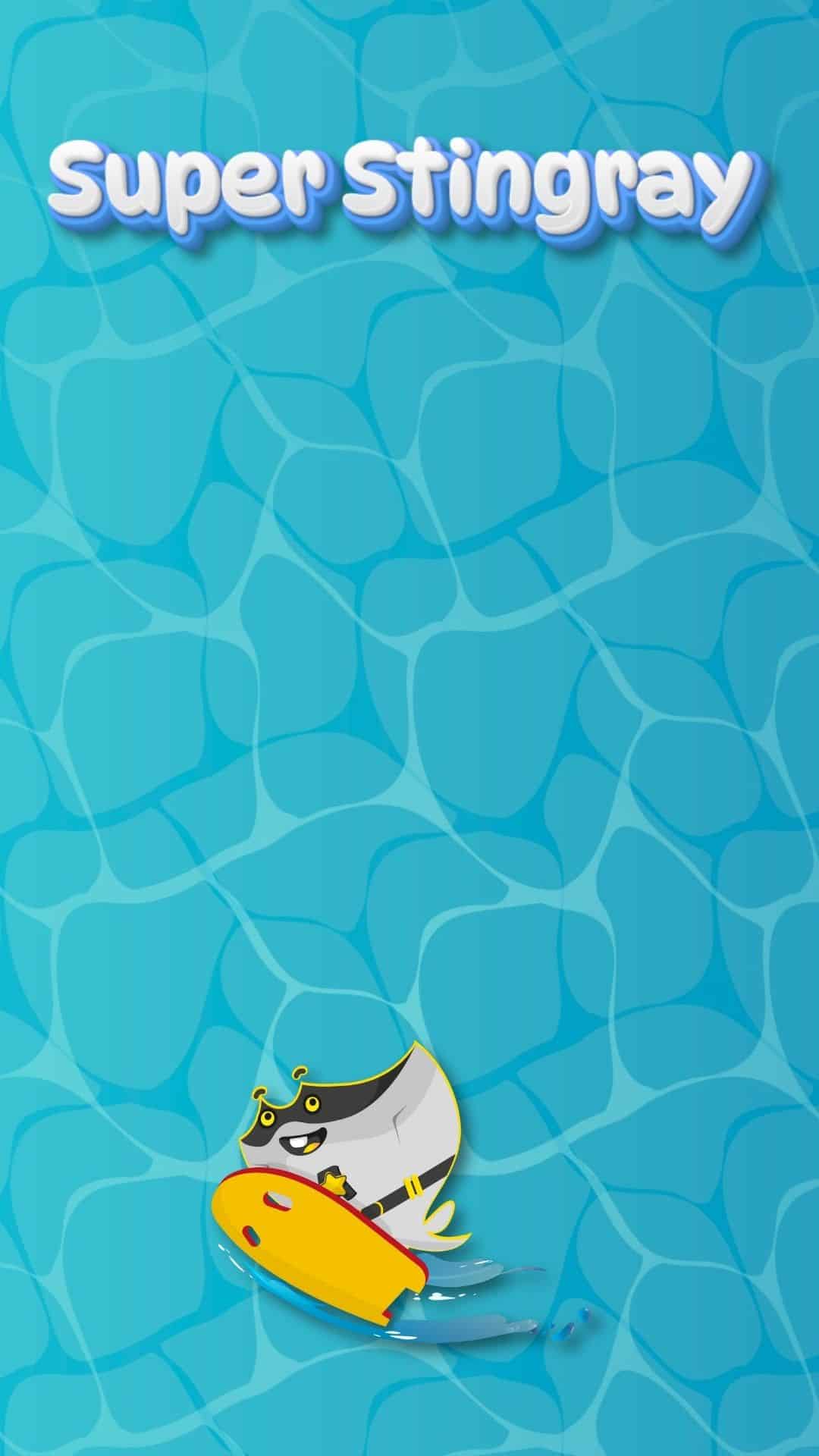
Super Stingray: (4 years old and up)
4 students to 1 instructor
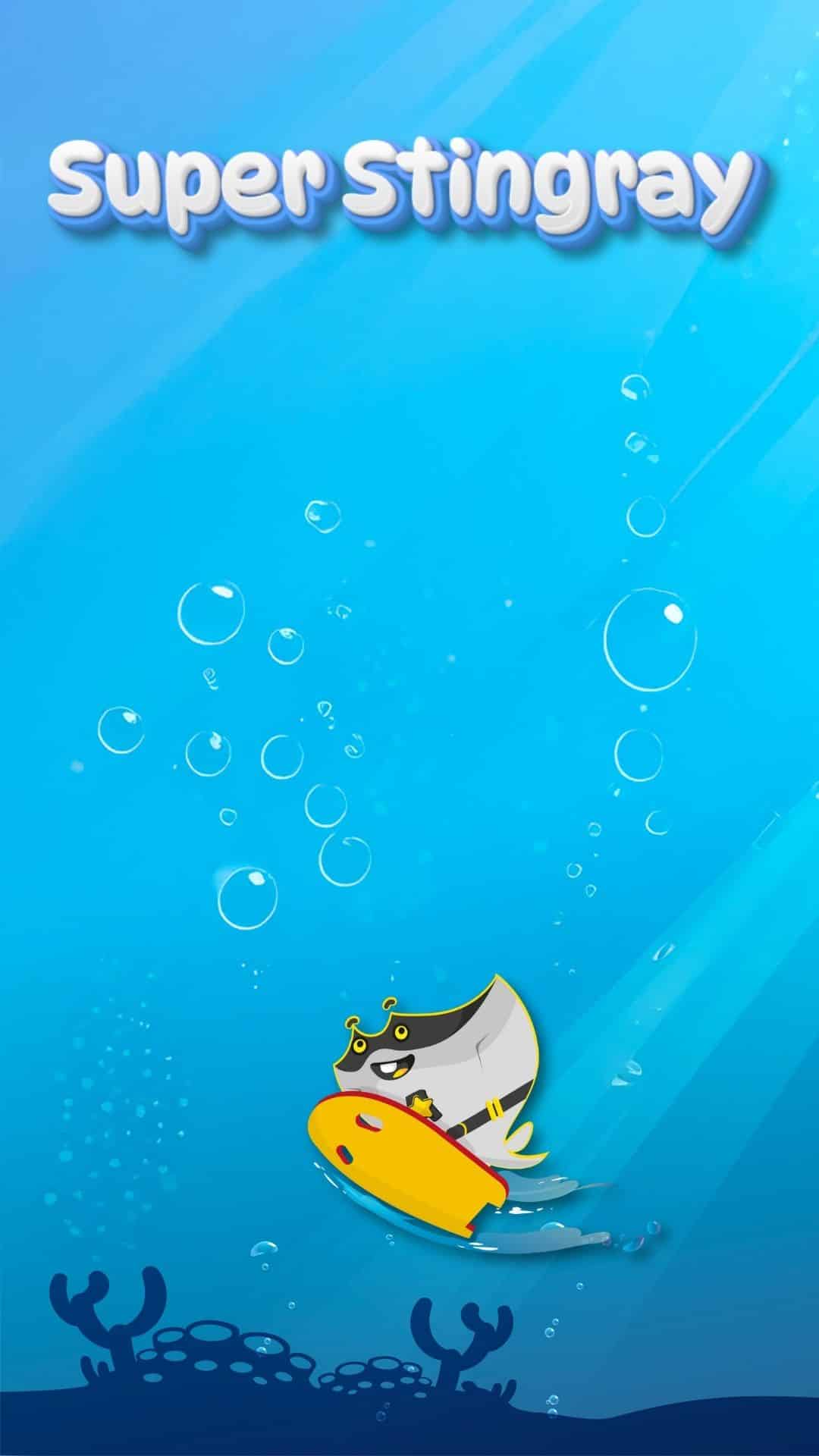
At this level, students work on Freestyle and Backstroke techniques, building efficiency, control, and confidence in the water.
Prerequisites: Requires previous swimming experience, or having completed the Super Dolphin Swim School level. Ratio of 4 students to 1 instructor.
1 DAY PER WEEK
$
/ month
2 DAY PER WEEK
$
/ month
3 DAY PER WEEK
$
/ month
Students work on forward and backward swimming, focusing on movement control and
change of direction, using the back float as a breathing technique.
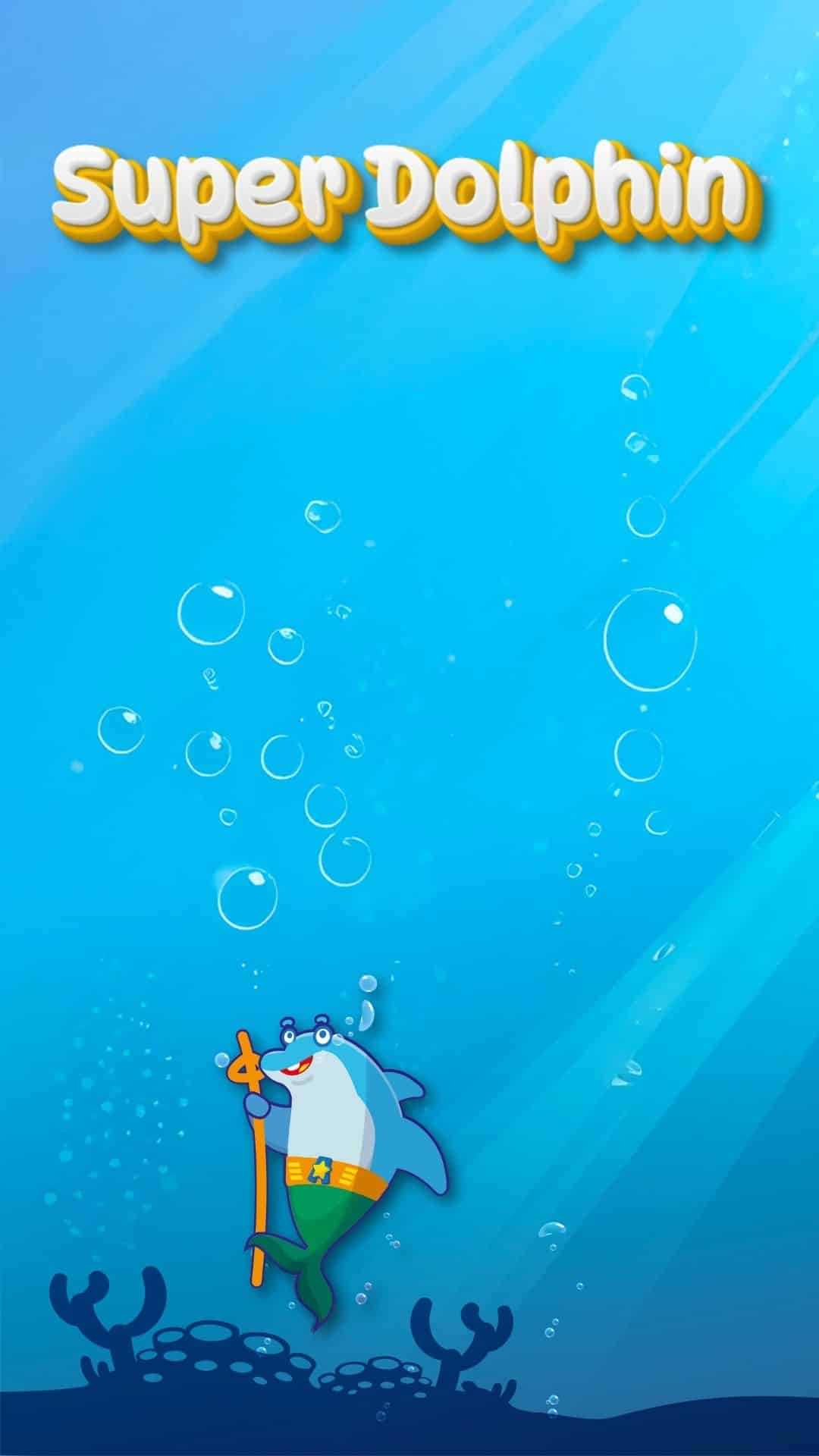
Super Dolphin: (4 years old and up)
4 students to 1 instructor
This level supports continued development of control and coordination in the water
through guided forward and backward swimming.
Prerequisites: Requires previous swimming experience. Ratio of 4 students to 1 instructor.
1 DAY PER WEEK
$
/ month
2 DAY PER WEEK
$
/ month
3 DAY PER WEEK
$
/ month
Students work on forward and backward swimming, focusing on movement control and change of direction, using the back float as a breathing technique.
Super Octopus: (4 years old and up)
4 students to 1 instructor
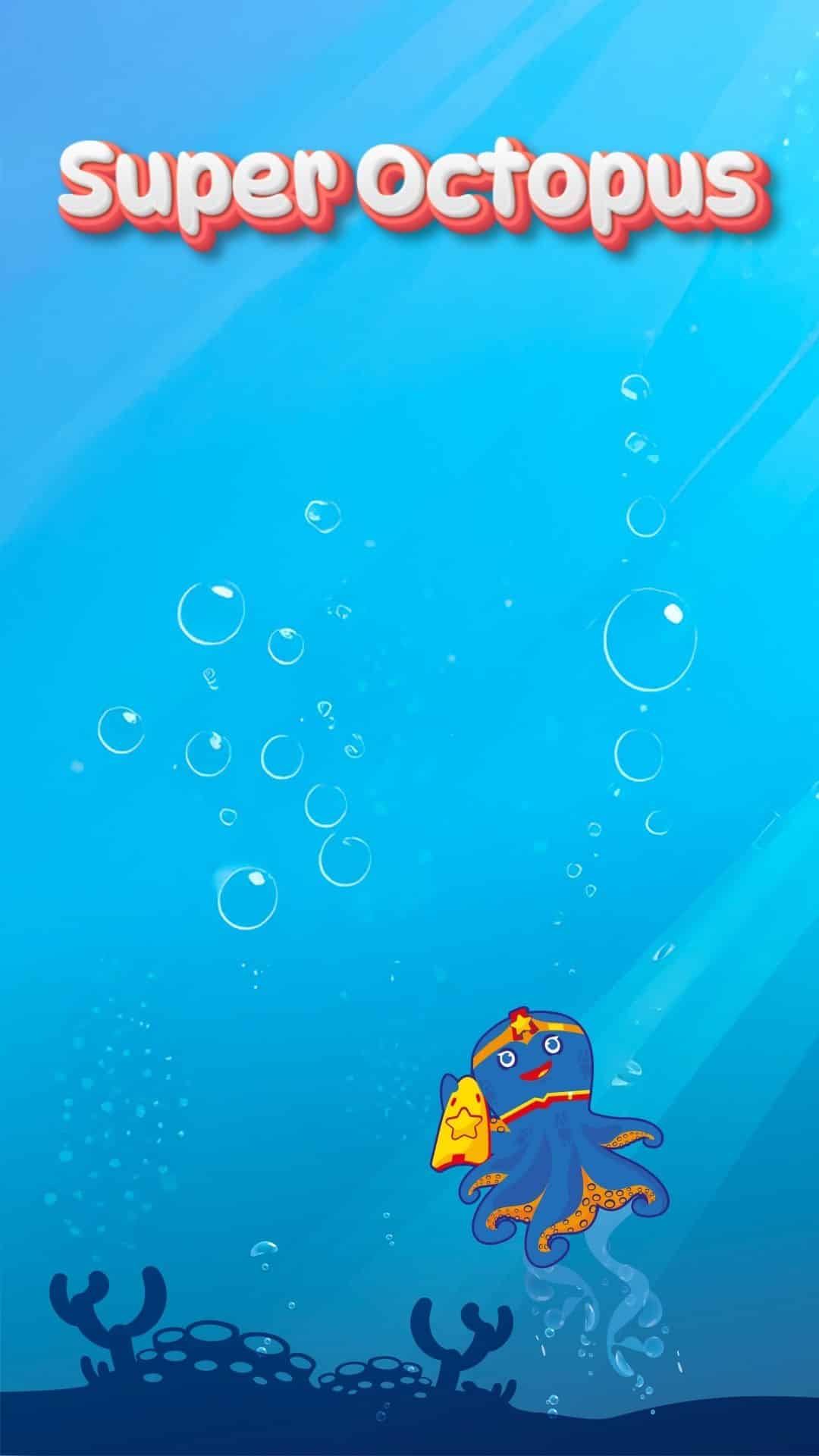
At this level, we work on forward movement and change of direction. The benchmark for this level is a potential self-rescue skill. Gradually, students start swimming 3 meters/10 feet and then come back to the wall. Dorsal float is used when the student needs to breathe.
Prerequisites: Requires previous swimming experience. Ratio of 4 students to 1 instructor.
1 DAY PER WEEK
$
/ month
2 DAY PER WEEK
$
/ month
3 DAY PER WEEK
$
/ month
The benchmark for this level is mastering body position and air recovery. Students learn to return to the surface, roll over, and float on their back for at least five seconds.
Super Starfish: (4 years old and up)
4 students to 1 instructor
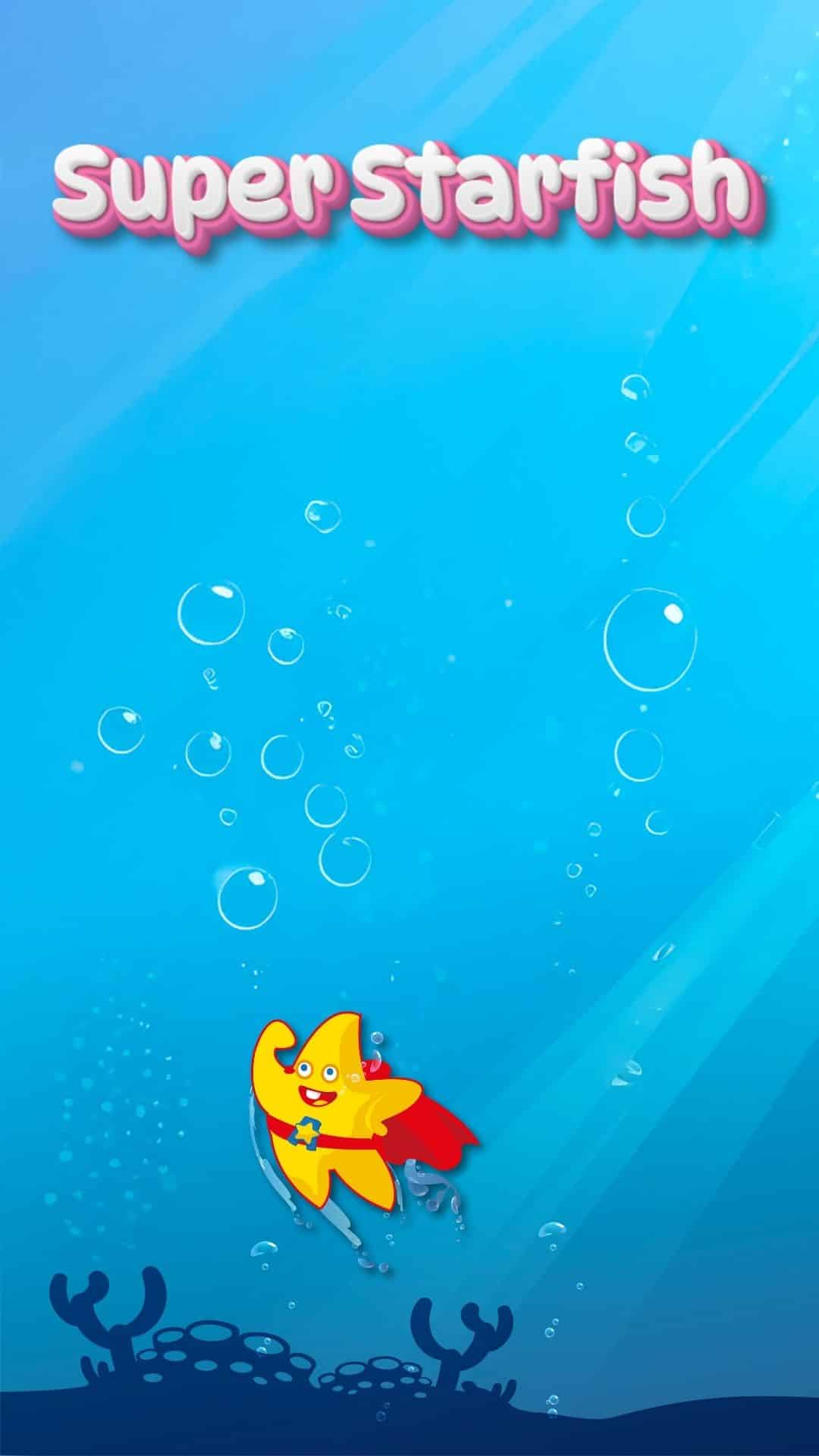
At this level, we work on body position and air recovery. The benchmark for this level is a lifesaving skill that teaches a student who falls into the water to return to the surface, roll over, and regain air for at least five seconds. In those five seconds, the student could cry or scream for help, get someone’s attention, and stay on the surface long enough to potentially be rescued.
Prerequisites: Requires previous swimming experience. Ratio of 4 students to 1 instructor.

1 DAY PER WEEK
$
/ month
2 DAY PER WEEK
$
/ month
3 DAY PER WEEK
$
/ month
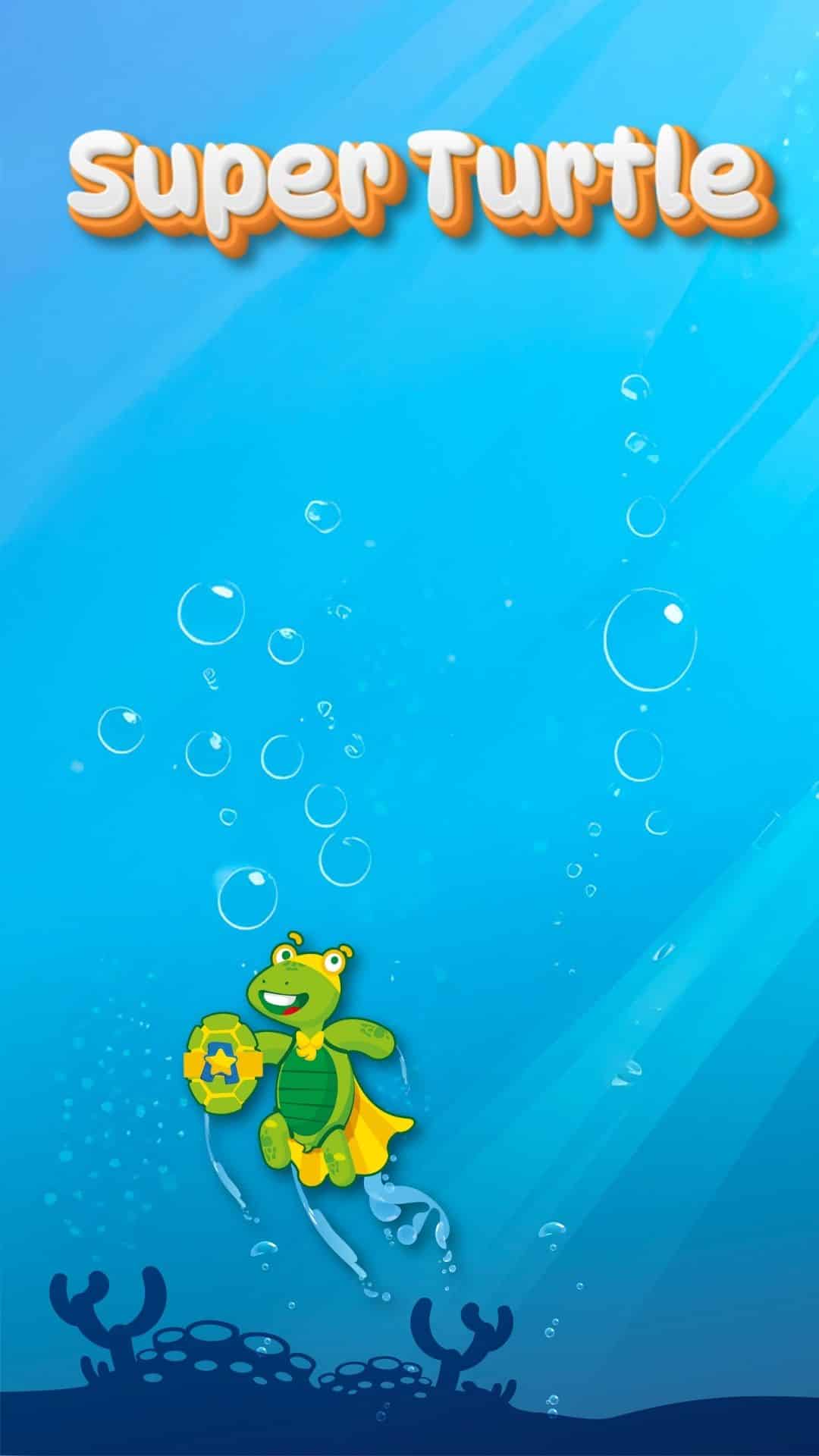
Super Turtle focuses on helping children become more independent and confident in the water while continuing to reinforce essential water safety skills.
Super Turtle: (4 years old and up)
3 students to 1 instructor
At this level, we work with confidence and submersion. Before working on forward movement or floating, it is important to teach comfort when submerging in water. A student who is afraid of submersion will struggle with more advanced skills. While it is possible to “swim” and control movement in the water without fully submerging the face, the student will have a healthier, safer and more active aquatic experience without fear of submerging.
Prerequisites: No previous swimming experience is required. Ratio of 3 students to 1 instructor.
1 DAY PER WEEK
$
/ month
2 DAY PER WEEK
$
/ month
3 DAY PER WEEK
$
/ month
The Baby Fish I level develops a high level of comfort in the water for young children and introduces essential self-rescue skills. It also trains adults in water safety and drowning prevention, building a foundation of confidence and fun for a lifetime of safety in the water.
Baby Fish I: (4 months to 2 years old)
6 students to 1 instructor
At this level, we work on water comfort for the child and train parents in water safety and drowning prevention. In this way, we have developed an environment of trust and fun that will be the basis for future learning in the water.
Prerequisites: No previous swimming lessons or aquatic experience required. Parent participation is required. Ratio of 6 students to 1 instructor.
1 DAY PER WEEK
$
/ month
2 DAY PER WEEK
$
/ month
3 DAY PER WEEK
$
/ month